Why the Blues Is More Than Music — It's a Way of Life
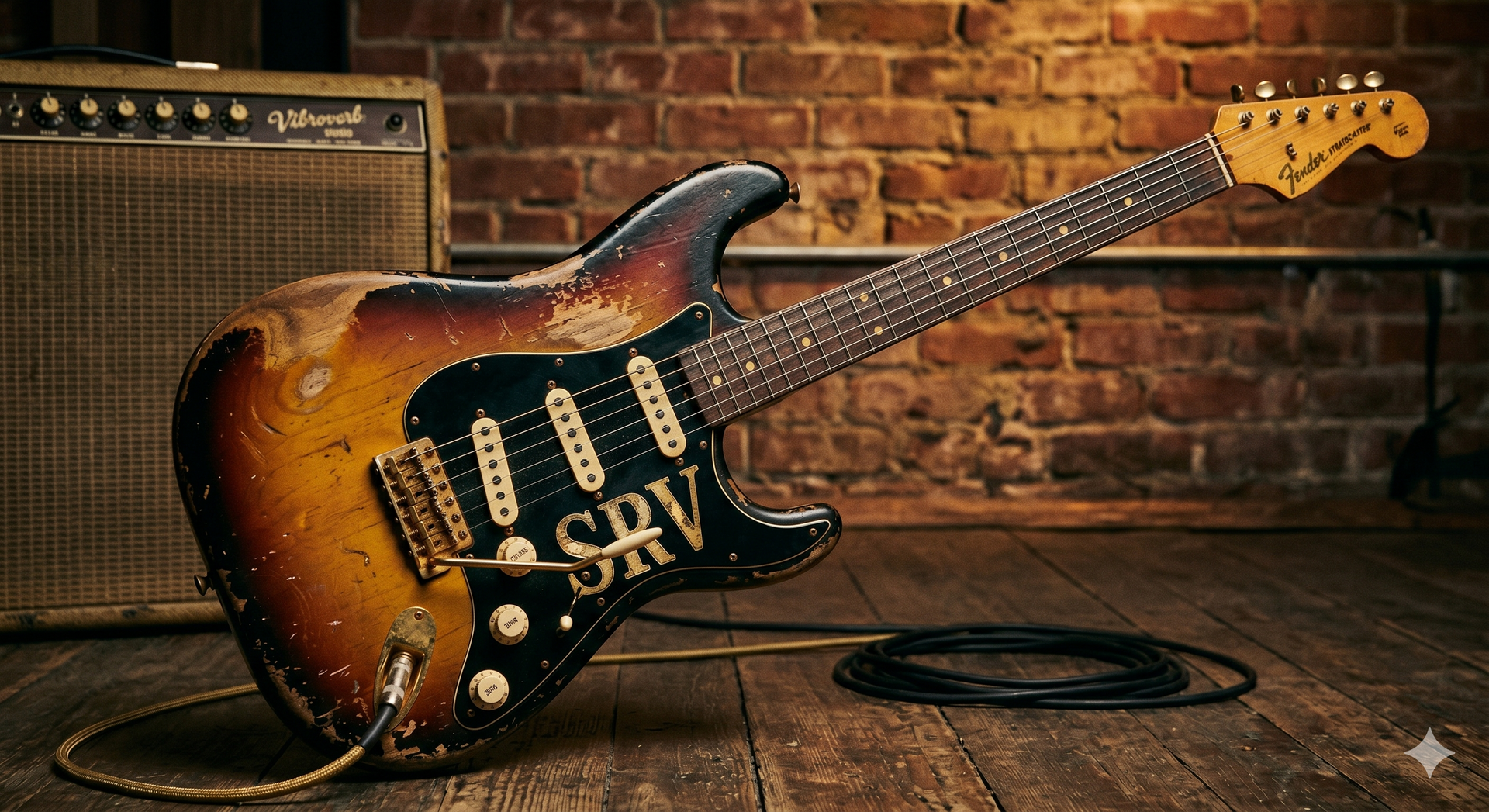
There's a moment every blues fan knows. Maybe it hit you the first time you heard B.B. King bend a note so slowly it felt like time itself stopped. Maybe it was a scratchy Robert Johnson record late at night, or Stevie Ray Vaughan tearing through a guitar solo that made the hair on your arms stand up. Whatever it was, something clicked. And from that moment on, the blues wasn't just music anymore — it was something you carried with you.
That's what The Blues Dispatch is all about.

More Than a Genre
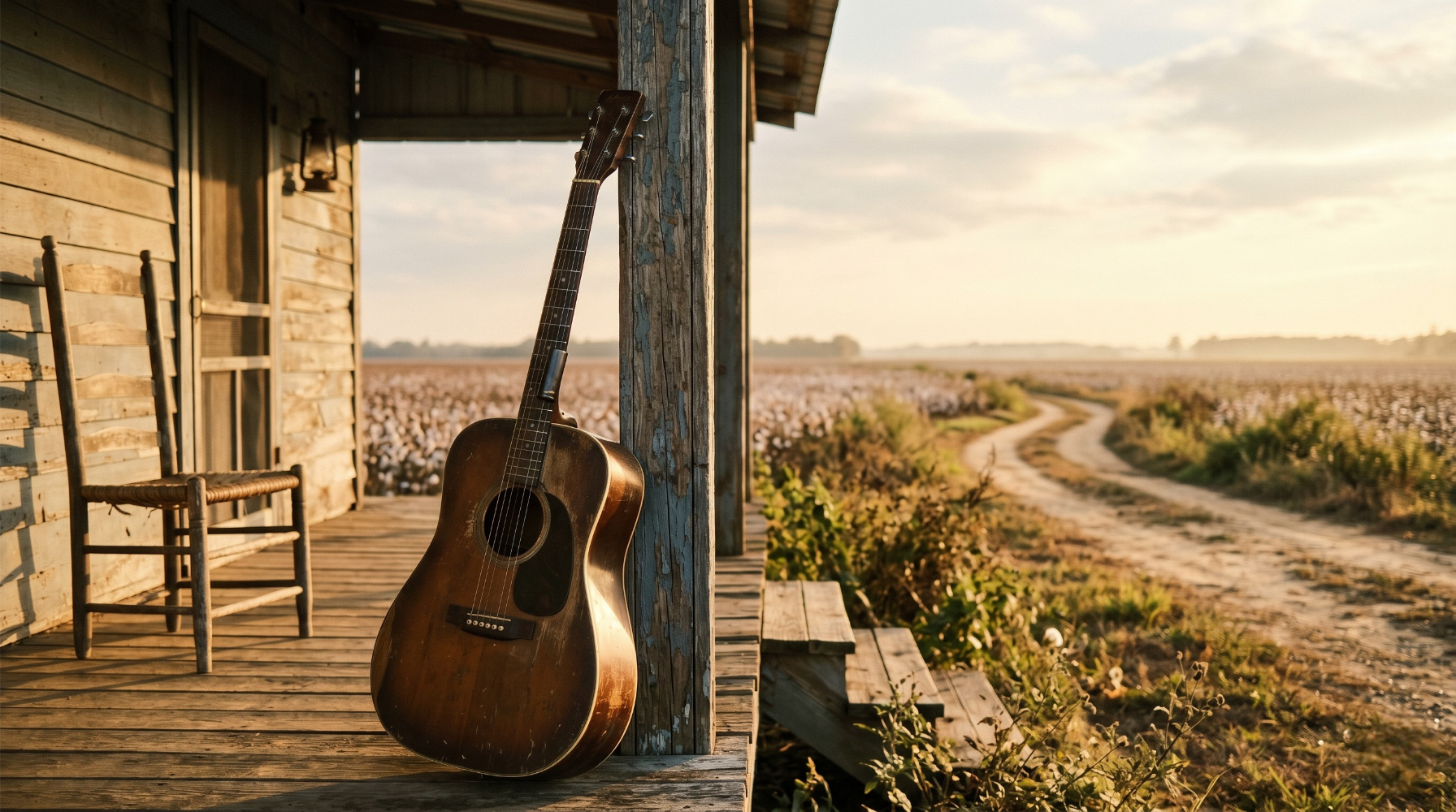
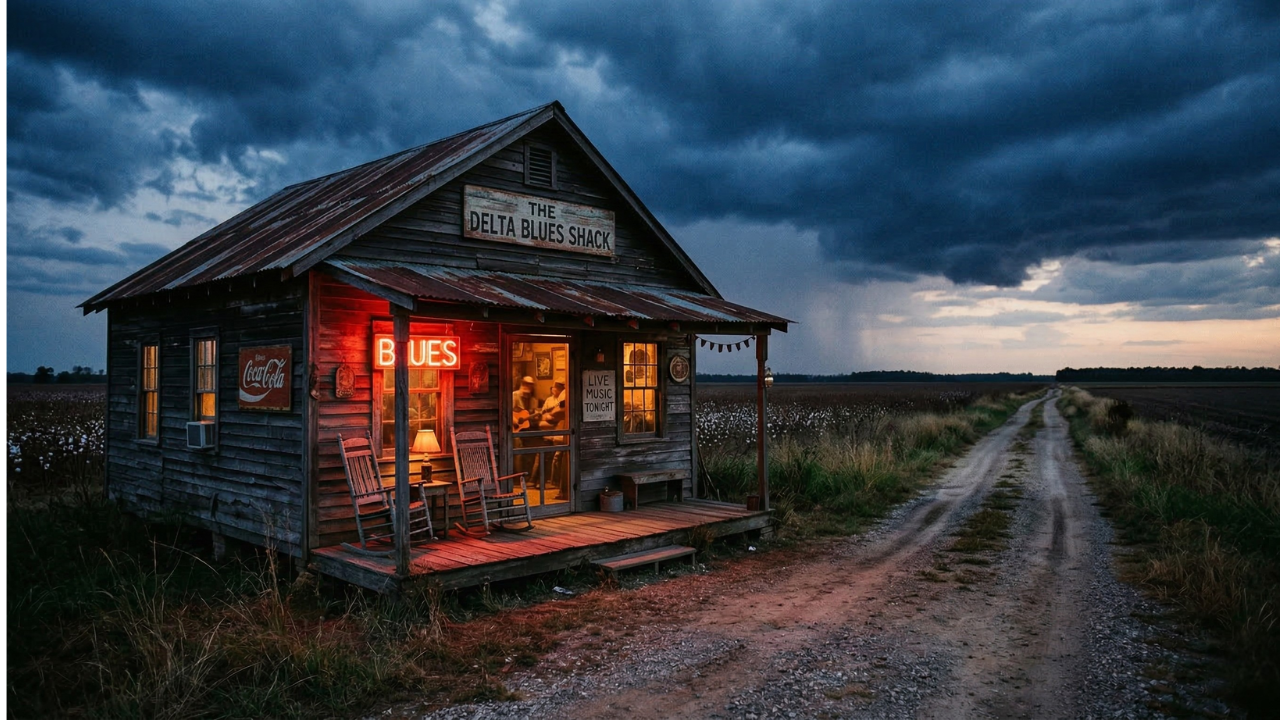
People who don't know the blues often think of it as sad music. Music for rainy days and hard times. And sure, there's truth in that — the blues was born from hardship, from the cotton fields of the Mississippi Delta, from struggle and survival and the raw, unfiltered expression of the human experience. But anyone who's stood in a room while a great blues band is playing knows something different. They know that the blues doesn't just carry pain — it transforms it. It takes the weight of the world and turns it into something you can dance to.
That's not a small thing. That's everything.
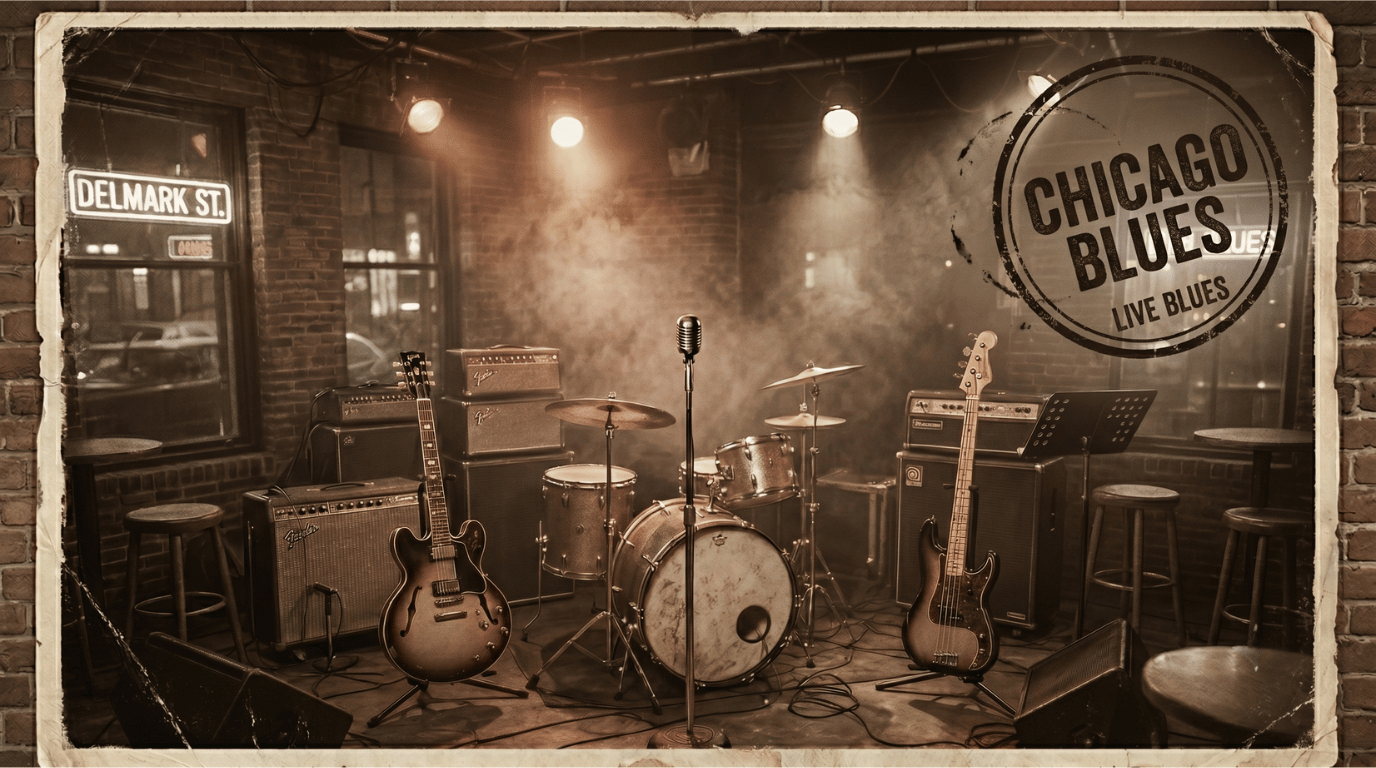
The blues is a culture. It has its own language, its own history, its own heroes and legends. It has smoky clubs and open road highways, cheap whiskey and expensive guitars, stories passed down through generations. It has a geography — from the Delta to Chicago, from Texas to the Mississippi hill country — and a timeline that stretches back over a century and runs straight through the heart of American music. Rock and roll? Built on the blues. R&B? Blues. Soul? Blues. Even hip hop carries its DNA.
A Living Tradition
One of the biggest misconceptions about the blues is that it belongs to the past. That it's museum music — something to be appreciated and preserved, but not experienced. Nothing could be further from the truth.
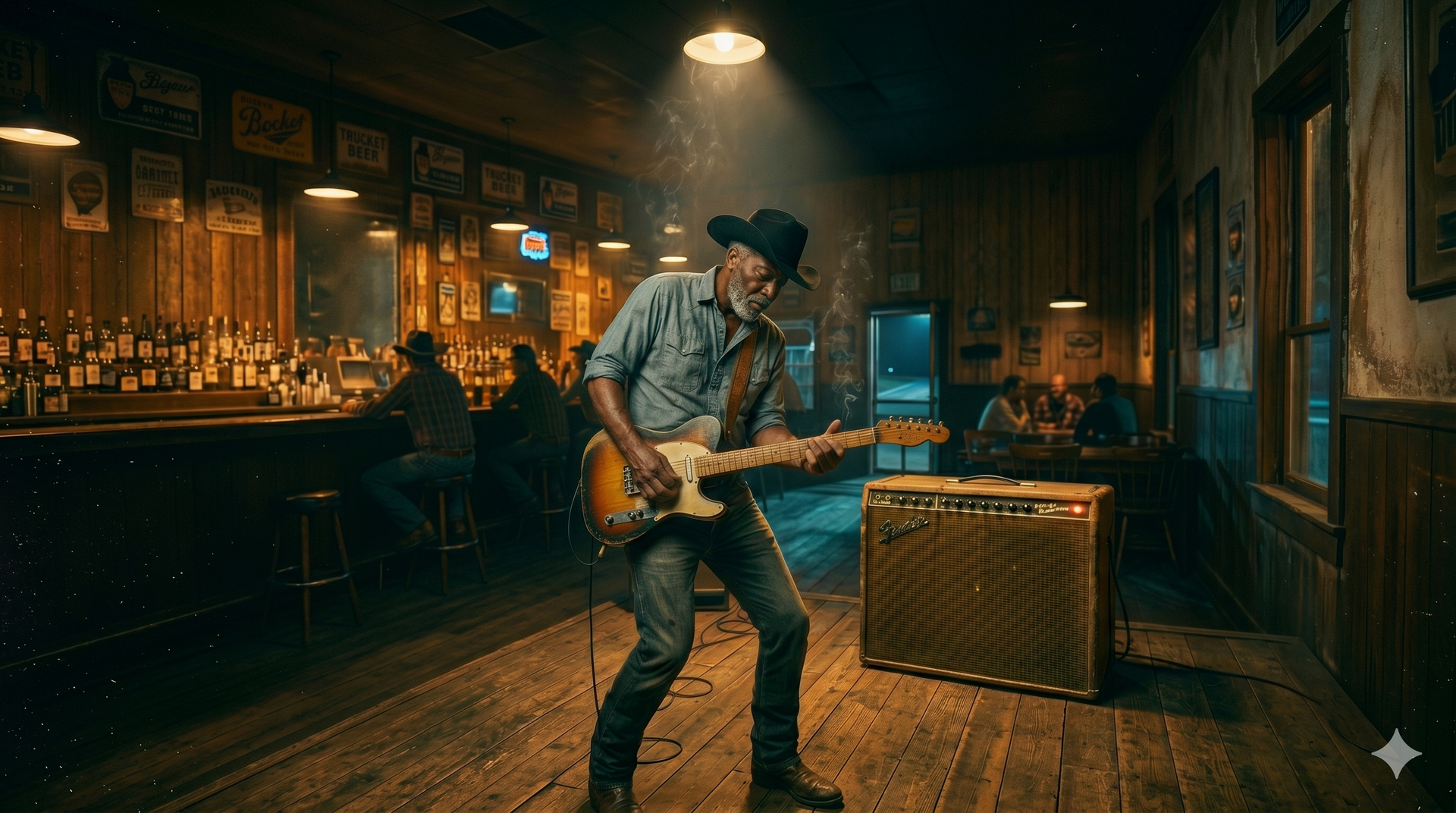
Walk into any blues club on a Friday night and you'll feel it immediately. The blues is alive. It's being played by young guitarists who grew up listening to Muddy Waters and then picked up an electric guitar and found their own voice. It's being kept alive by festivals, by record collectors, by radio stations that still spin vinyl, and by fans who refuse to let it fade. The blues adapts. It always has. From acoustic to electric, from Delta to Chicago, from traditional to blues-rock — the music moves forward without ever losing its soul.
That's what makes it timeless.
What to Expect Here
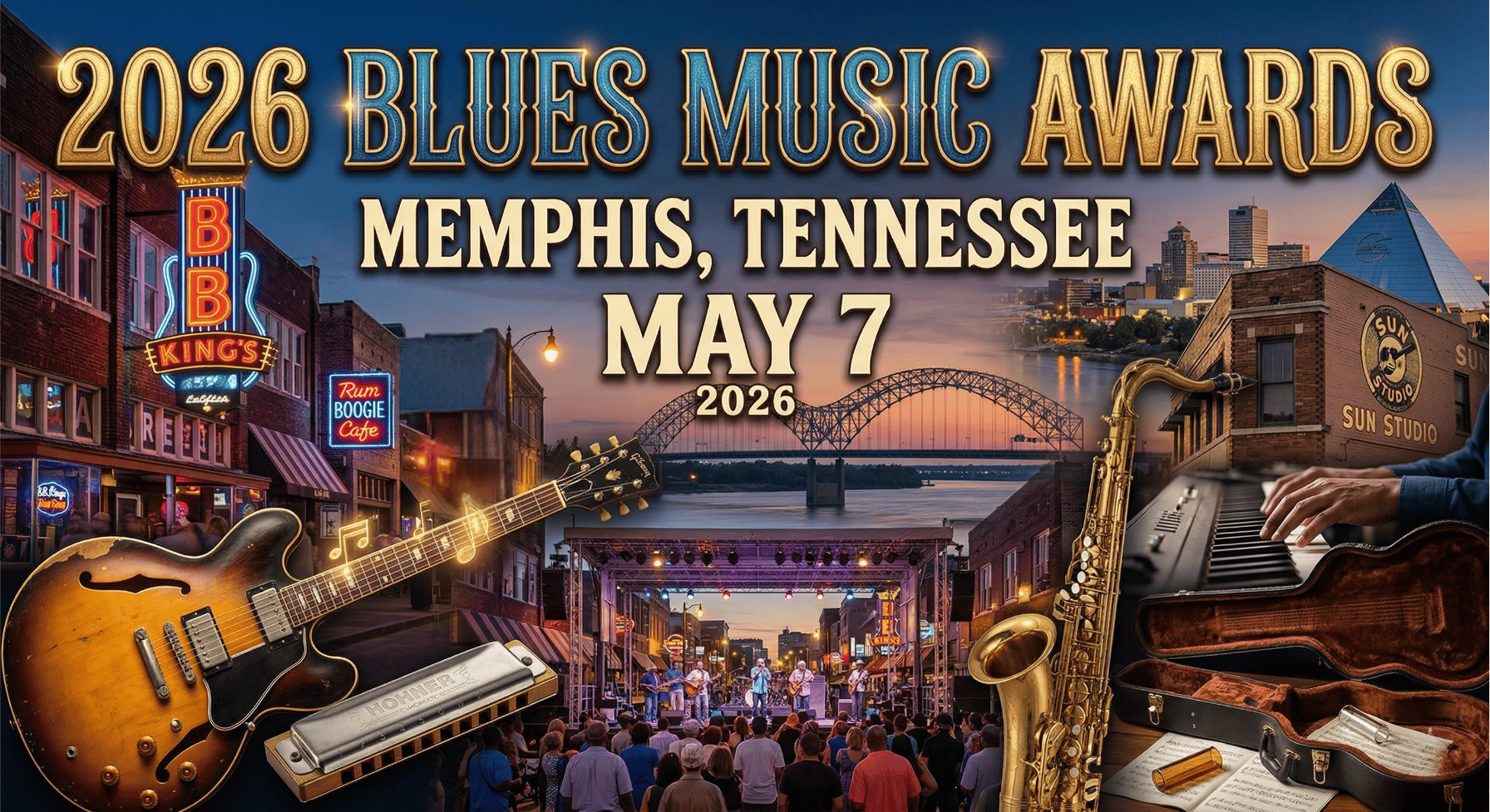
The Blues Dispatch is built for fans who love the blues the way it deserves to be loved — deeply, widely, and without apology. Here you'll find artist profiles on the legends who shaped the sound and the rising players keeping it moving. You'll find deep dives into blues history, gear talk for the tone obsessives, festival guides, record recommendations, and long reads about the culture that wraps around this music like smoke around a microphone.
Some posts will take you back to the earliest roots of the form. Others will point you toward what's happening right now. All of it will be written with genuine love for the music and respect for where it came from.
Whether you've been a blues fan for forty years or you just heard your first Howlin' Wolf record last week, you're in the right place.
Welcome to The Blues Dispatch
The blues has always been about honesty. No pretense, no polish, just the truth of the moment laid bare over a groove that won't quit. That's the spirit we're bringing to every post on this blog.
So pull up a chair, put something good on the turntable, and let's talk blues.
The Dispatch is open.
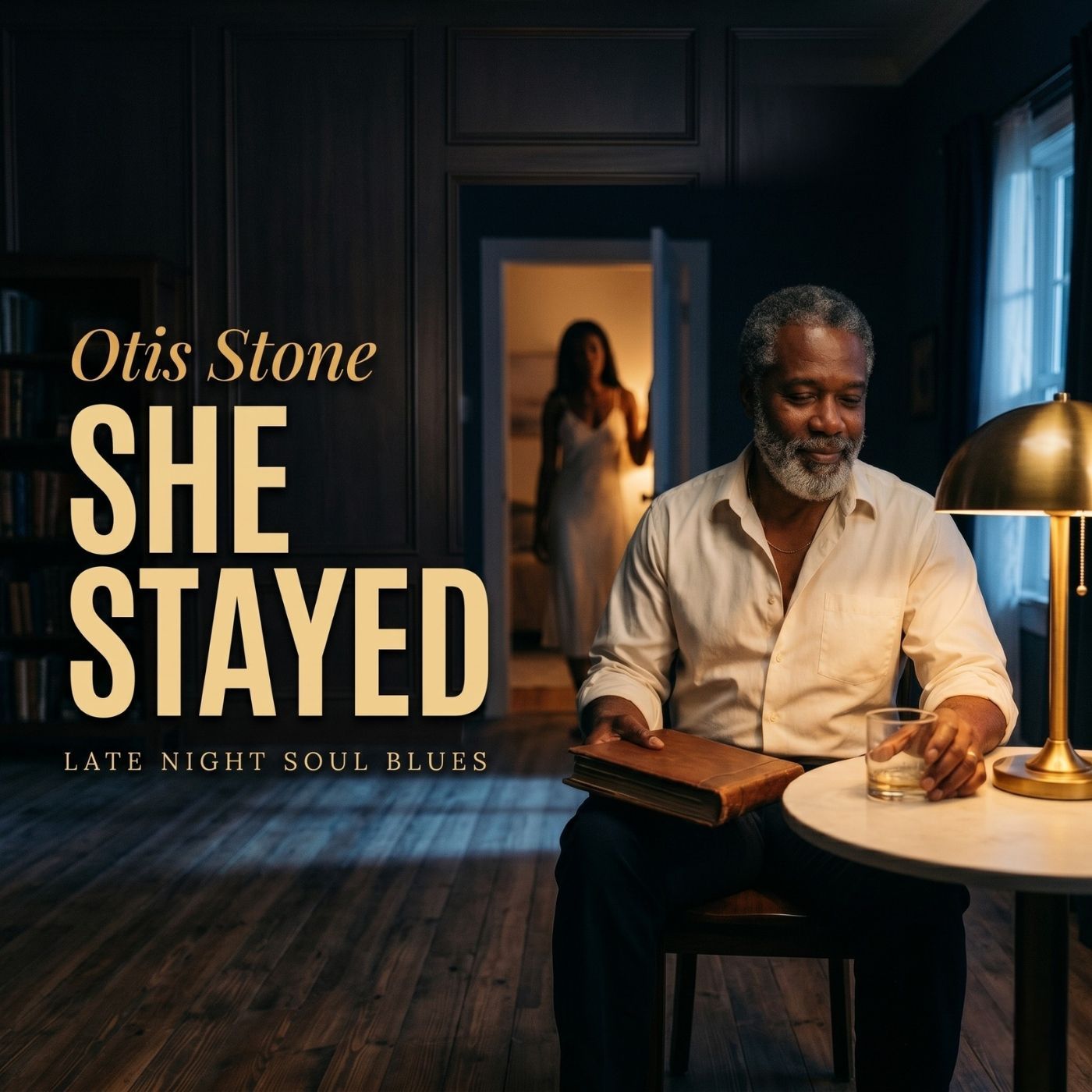
The Blues Dispatch is presented by Otis Stone Blues.