Where Chicago Blues Came From
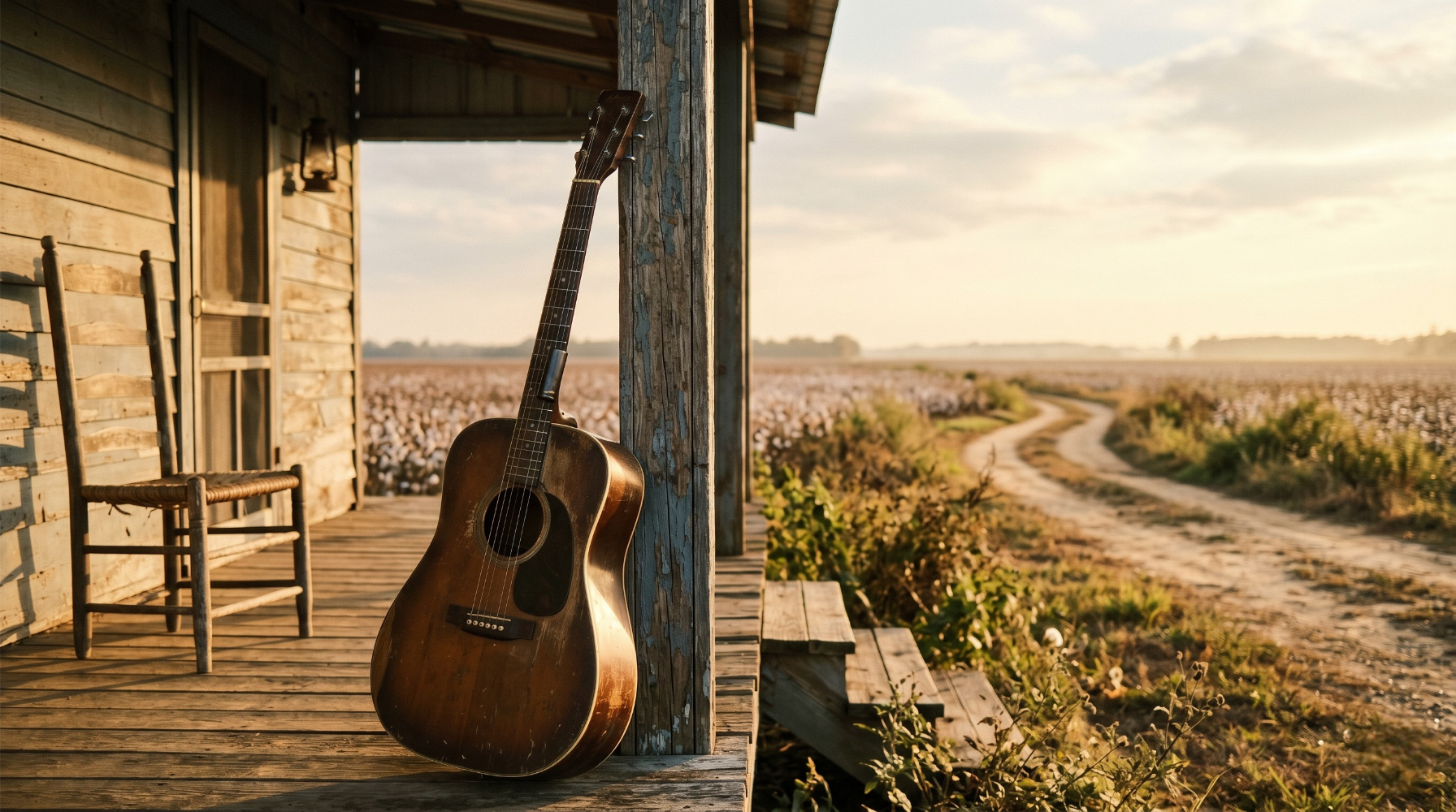
The story starts in the Mississippi Delta. In the 1930s and 40s, hundreds of thousands of Black Americans left the rural South during what historians call the Great Migration. Many of them landed in Chicago, carrying their acoustic country blues with them.
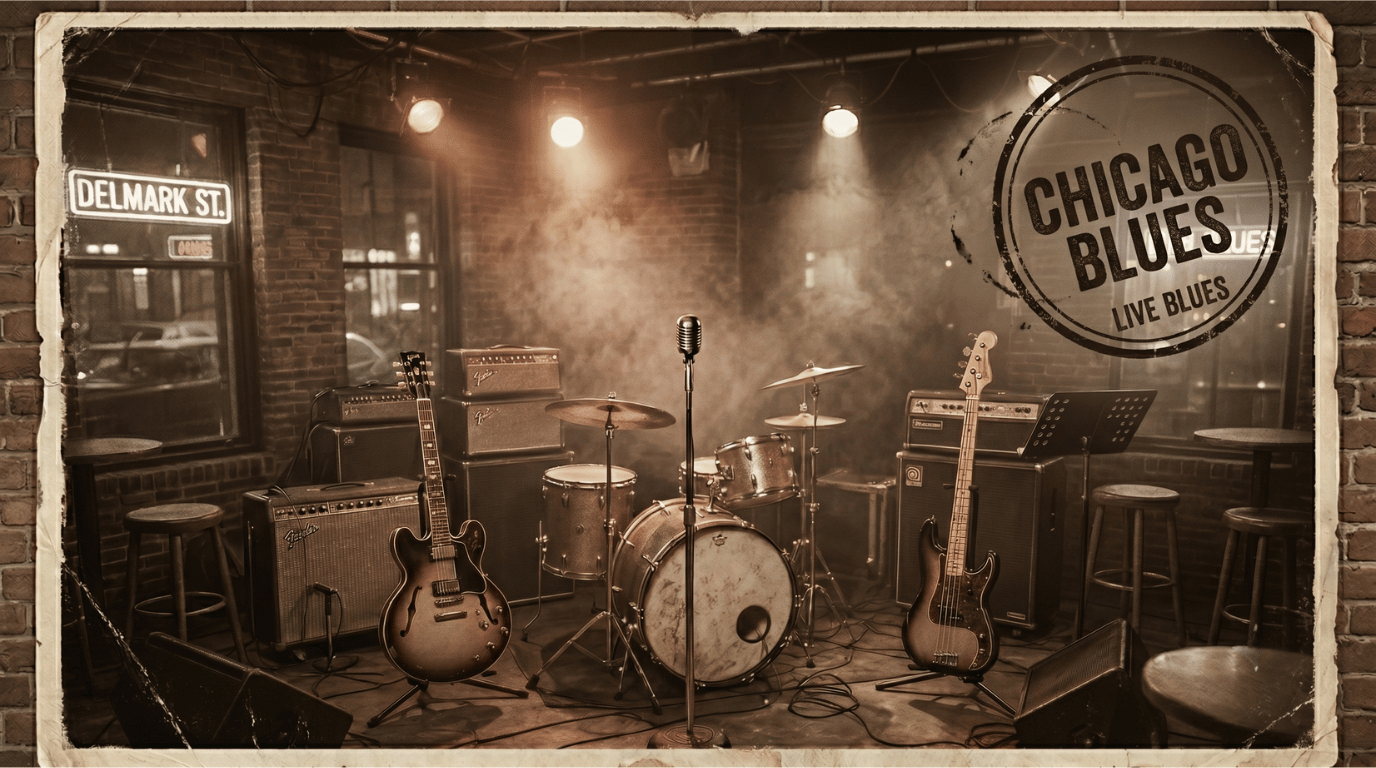
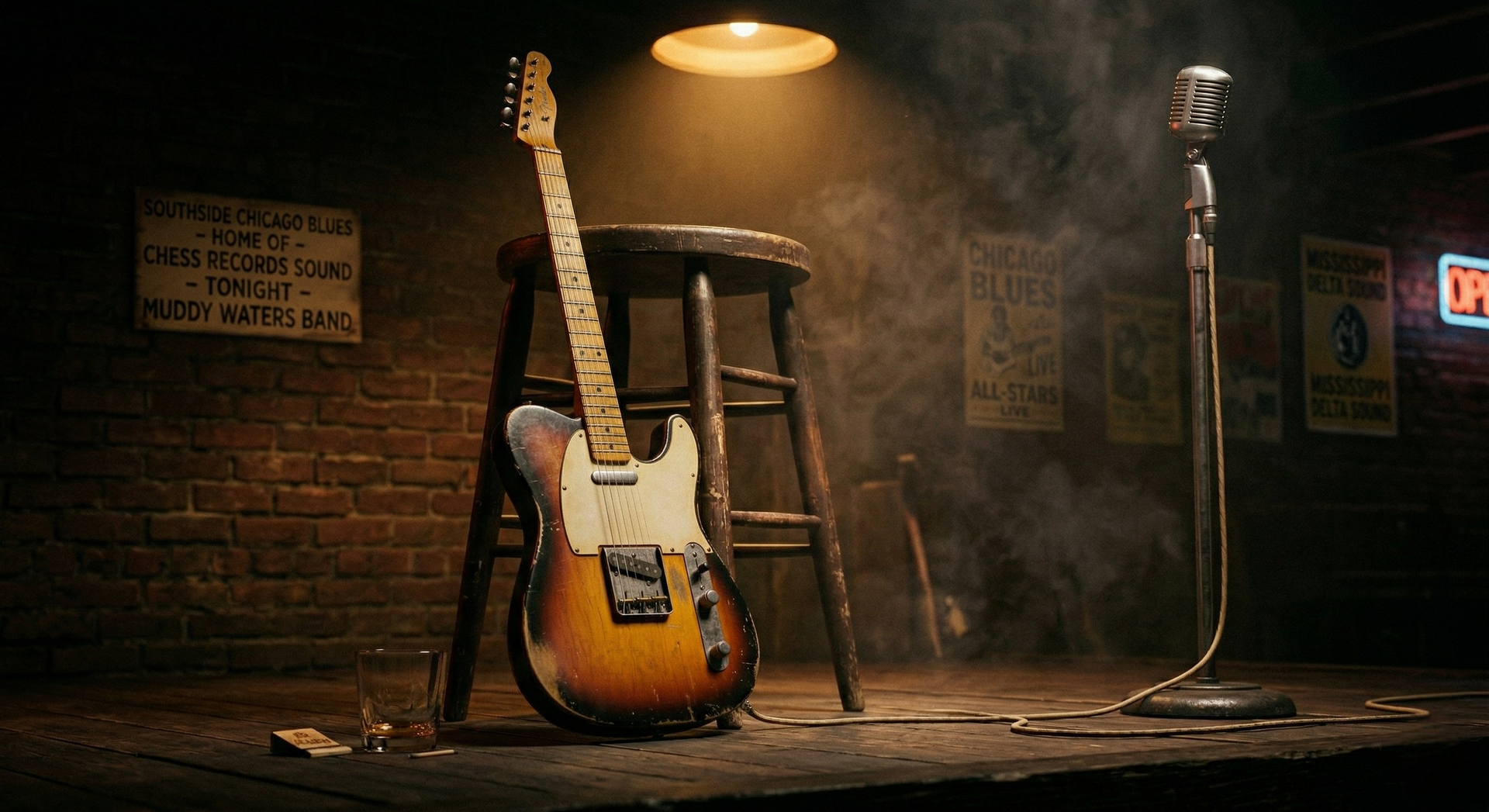
But the city wasn't the cotton field. Loud streets, crowded clubs, factory shifts, none of that left much room for a soft acoustic guitar and a whispered vocal. So the music adapted. Players picked up electric guitars. Drummers joined the lineup. Bass players plugged in. The harmonica, once a quiet companion, got cupped against a microphone and pushed through an amplifier until it howled.
By the late 1940s, the sound had a name. By the early 1950s, it had taken over.
The Sound of Chicago Blues
Chicago blues is built on a few core ingredients:
- Electric guitar, usually with a thick, slightly overdriven tone, played in a call-and-response style with the vocal
- Amplified harmonica, often distorted and aggressive, treated like a second lead instrument
- A full rhythm section, drums, bass, and often piano, locking in a tight shuffle or slow blues groove
- A strong, confident vocal, often delivered with a swaggering or world-weary edge
- A heavy backbeat, the rhythm that makes Chicago blues impossible to sit still through
The tempo varies, from slow-burning ballads to driving shuffles, but the energy stays urban. This is music made for a room full of people, not a porch.
The Players Who Built the Sound
A handful of artists turned Chicago blues from a local movement into a global influence.
Muddy Waters is the cornerstone. His electric reinvention of Delta blues, songs like "Hoochie Coochie Man" and "Mannish Boy," set the template every Chicago blues band followed for decades.
Howlin' Wolf brought a different kind of intensity. Where Muddy was smooth and commanding, Wolf was raw and primal. His voice could shake a room.
Little Walter changed what the harmonica could do. By cupping it tight against a bullet microphone and pushing it through a small amplifier, he turned it into something closer to a saxophone or a second guitar.
Buddy Guy carried the sound into the next generation, bringing a wilder, more emotional guitar style that would later influence everyone from Eric Clapton to Stevie Ray Vaughan.
Otis Spann on piano,
Willie Dixon writing and producing for Chess Records,
Hubert Sumlin on Wolf's records, the supporting cast was as deep as the headliners.
Why Chicago Blues Still Matters
Almost every form of popular music that followed owes Chicago blues a debt. Rock and roll lifted its rhythm. Classic rock borrowed its guitar style. British blues bands like the Rolling Stones literally named themselves after a Muddy Waters song. Even hip-hop has sampled Chess Records sides going back to the 1990s.
For listeners today, Chicago blues offers something rare in modern music: directness. There's no studio polish hiding behind the performance, no production tricks doing the heavy lifting. It's musicians in a room, playing hard, telling the truth.
How to Start Listening
If you're new to Chicago blues, start with these:
- The Best of Muddy Waters (1958)
- Howlin' Wolf (the "rocking chair album," 1962)
- The Best of Little Walter (1957)
- Hoodoo Man Blues by Junior Wells with Buddy Guy (1965)
Then branch out into the Chess Records catalog more broadly. Almost every essential Chicago blues record from the 1950s and 60s came through that one label.
The Sound Lives On
Chicago blues isn't a museum piece. The style still gets played in clubs across the country and shows up in new recordings from artists keeping the tradition alive. The amplifier, the harmonica wail, the swagger, that's a sound that hasn't aged a day.
If you've been chasing the feeling of music that's honest, urgent, and built to be played loud, Chicago blues is where the road leads.
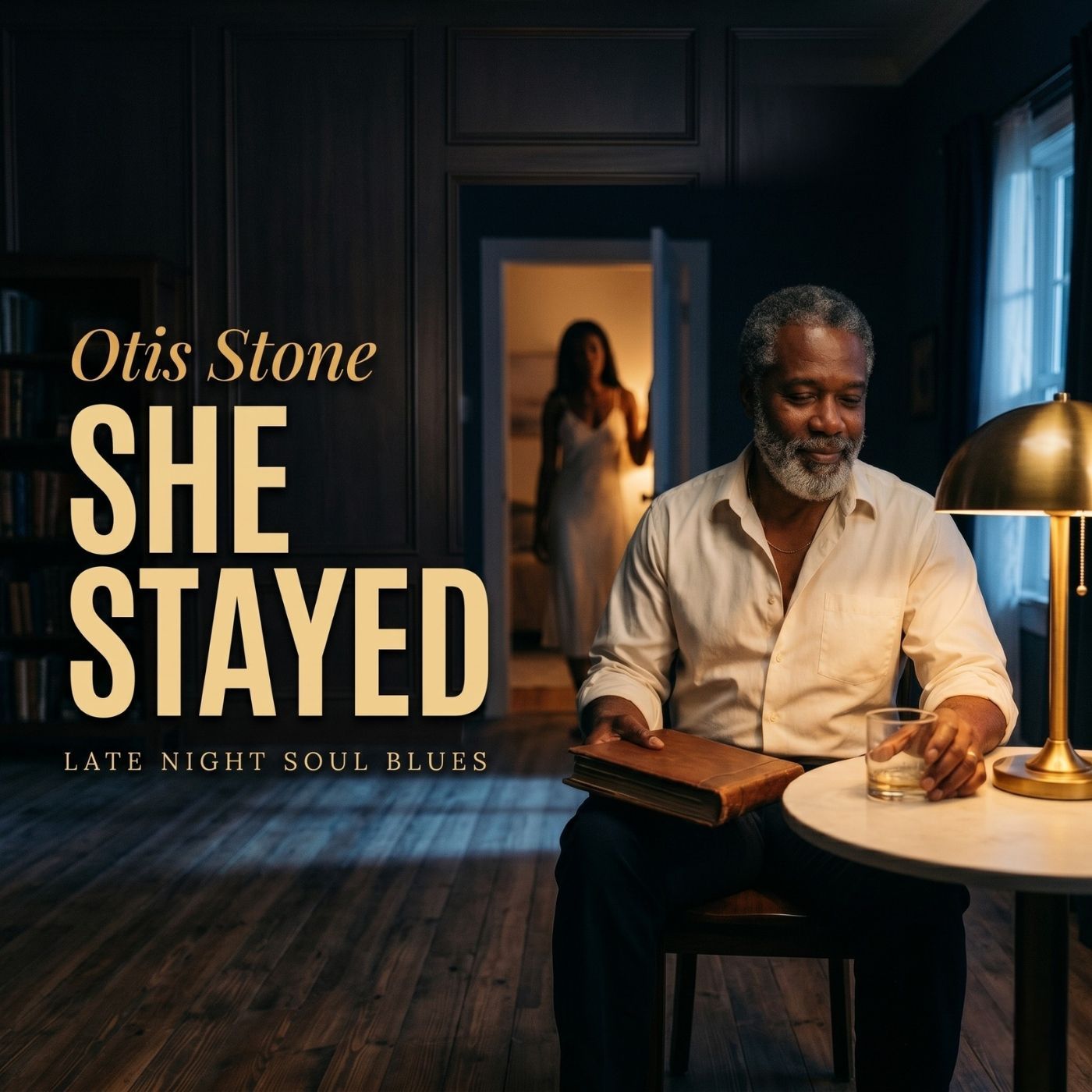
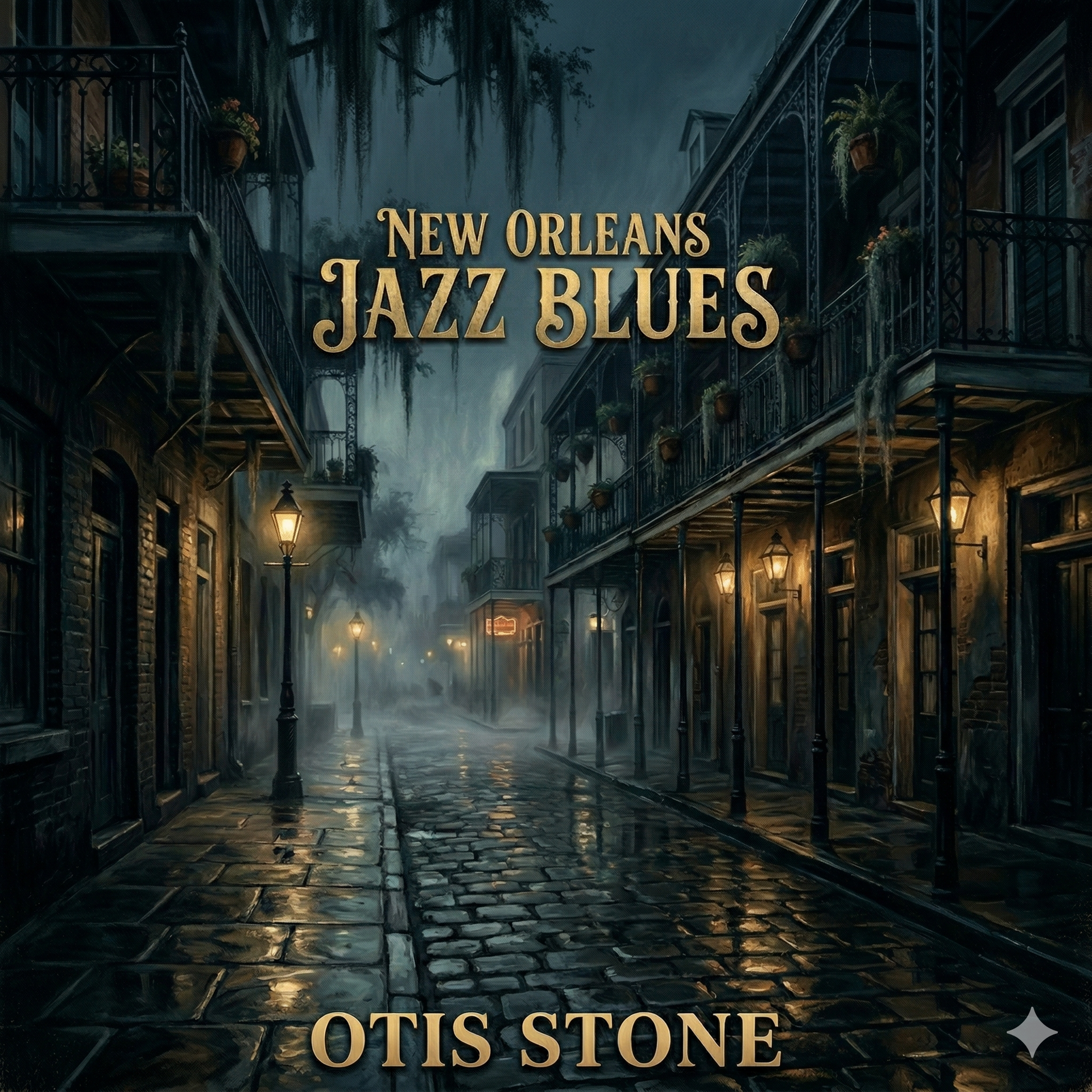
Want more like this? Otis Stone's catalog includes Chicago-style electric blues alongside Delta, Texas, and Memphis traditions. Listen on
Spotify or subscribe on
YouTube.